Why Delhi Government Says No to Removing Old Cars and Bikes
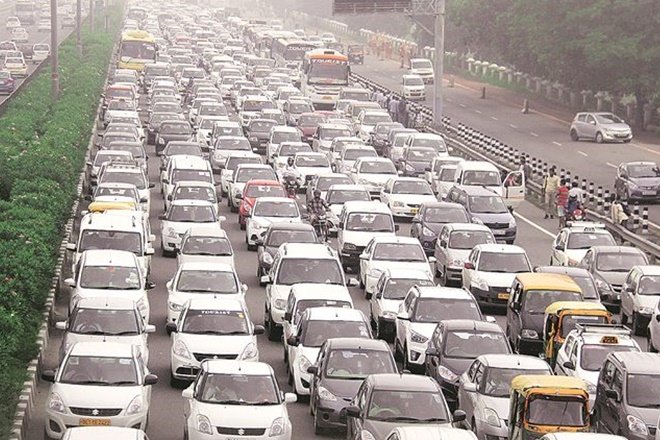
In many cities, pollution is causing serious health problems and global warming. Delhi, with its smog-filled air, faces a major challenge. Many blame old, polluting vehicles as a key reason for poor air quality. Some say removing vehicles older than a certain age could help clean up the air. However, the Delhi government chooses to take a different approach. They believe completely removing older cars and bikes isn’t the best solution, and here’s why.
Understanding the Delhi Government’s Perspective on Old Vehicles
The Policy Background and Regulatory Framework
Delhi already has rules to control vehicle pollution. Only vehicles that pass strict emission tests can stay on the road. The government has introduced pollution norms like BS-IV and BS-VI standards. These make sure vehicles release less harmful gases. There are also schemes to promote vehicle scrappage, but they focus on responsible disposal rather than blanket bans. Some recent proposals suggest stricter checks and incentives to encourage upgrade, not removal.
Economic and Social Implications
Many Delhi residents depend on older vehicles for daily work. Lower-income groups often can’t afford new or upgraded cars. For them, these vehicles are a lifeline. The used vehicle market is big in Delhi, providing affordable options. If the government forced everyone to replace old vehicles, many would face financial hardship. Thousands work in car repair shops, resale outlets, and auto parts businesses—these jobs could be at risk too. As a result, wiping out old cars might hurt the very people the city aims to support.
Environmental Considerations Versus Practical Realities
While older vehicles do pollute more, removing them entirely isn’t simple. The government worries that such efforts could cause economic problems for many families. For example, forcing someone to buy a new car might mean spending thousands of rupees, which they don’t have. Doing so could push low-income households into deeper hardship. So, they prefer smarter policies that control pollution without creating social inequality.
Challenges of Removing Old Vehicles
Infrastructure and Implementation Barriers
One big problem is the lack of enough scrappage centers. There aren’t many places nearby to recycle old vehicles safely. Tracking and identifying all outdated vehicles would be a nightmare. Cities like Tokyo or New York faced similar issues when trying to phase out older cars. Without proper facilities, the plan simply can’t work smoothly.
Economic Impact on Vehicle Owners
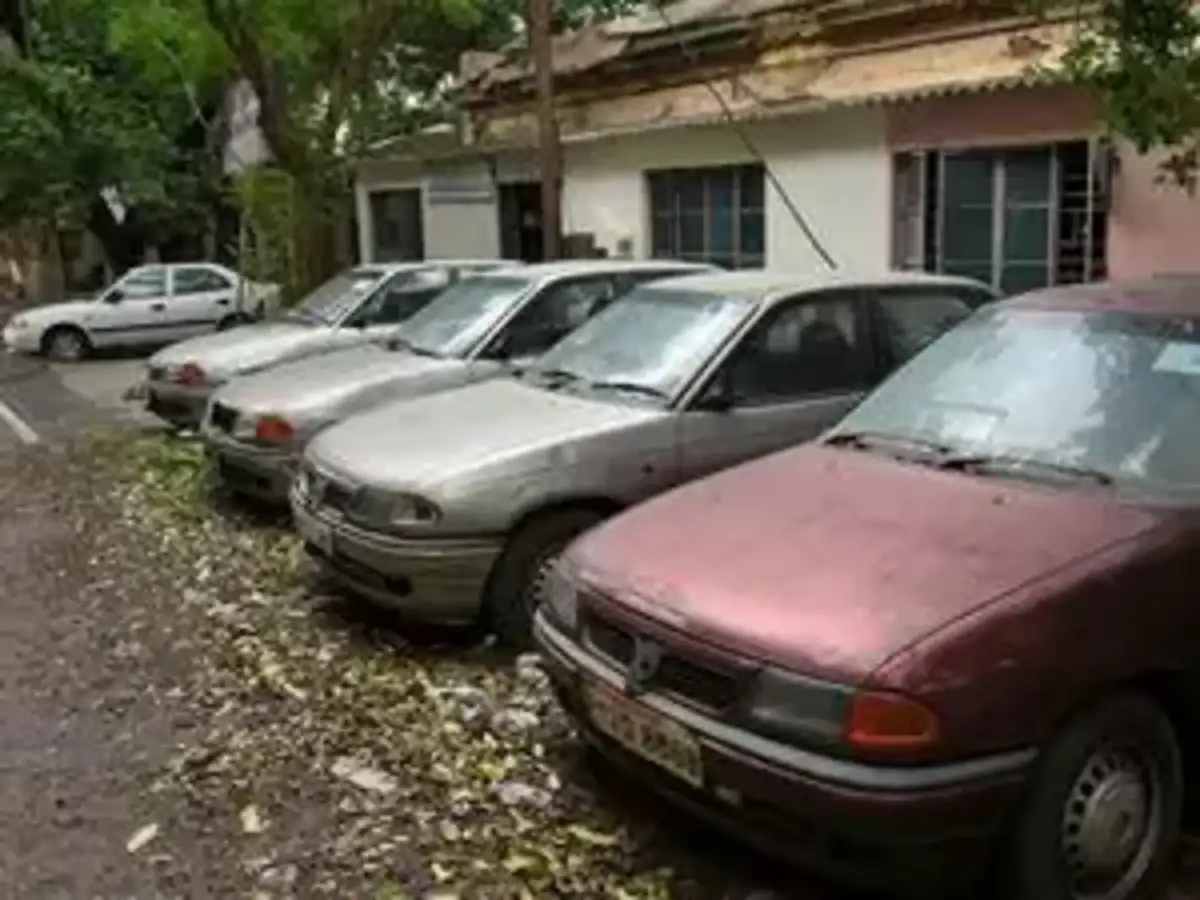
Replacing an old car or bike costs money. Many families have limited budgets. Some owners resist because they can’t afford new vehicles or upgrades. For example, a small shopkeeper might struggle to buy a new delivery bike. People are reluctant to give up their trusted rides, especially when replacement prices are high.
Risk of Informal and Black Market Activities
Removing old vehicles could lead to illegal trading. Some owners might sell their cars secretly or scrap them outside official channels. This can cause pollution that isn’t properly controlled. Weak enforcement might even boost black markets, making pollution worse instead of better. So, the government needs strict rules plus oversight to avoid illegal activities.
Rationale Behind the Delhi Government’s No-Removal Policy
Emphasis on Responsible Vehicle Management
Instead of banning old vehicles, Delhi focuses on making sure they meet pollution standards. Upgrading engines and switching to cleaner fuels can make a big difference. This way, owners get to keep their vehicles but still reduce pollution.
Encouragement of Vehicle Fitness and Emission Norm Compliance
The government runs periodic fitness tests for older vehicles. Those that don’t pass are made to repair or upgrade. Incentives like discounts on repairs or free emission checks motivate owners to keep their vehicles eco-friendly. This approach controls pollution without forcing people out of their rides.
Prioritizing Sustainable Transportation Alternatives
Delhi invests heavily in affordable public transport like buses and metro lines. They’re also pushing electric vehicles (EVs) and supporting non-motorized options like cycling and walking. For example, more charging stations for EVs mean owners are more likely to switch. These options help reduce the number of old, polluting vehicles on roads.
Future Strategies and Recommendations
Incentivizing Vehicle Upgrades
The government can offer tax rebates or subsidies for owners who switch to eco-friendly vehicles. Community campaigns can educate people about benefits of cleaner transportation. This makes upgrading more attractive and affordable.
Strengthening Regulatory Enforcement
Regular vehicle fitness tests should stay strict. Penalties for non-compliance must be clear and enforced. This discourages owners from neglecting emission standards and ensures cleaner air.
Expanding Sustainable Transportation Options
More affordable and accessible public transit can convince people to leave their cars at home. Supporting electric vehicle adoption with incentives and infrastructure boosts the transition. For example, Delhi’s EV policy aims to put thousands on the road in the coming years.
Conclusion
The Delhi government’s decision to avoid removing old cars and bikes isn’t careless. It’s about balancing pollution control with economic and social stability. Instead of harsh bans, they favor responsible vehicle management, stricter emission norms, and cleaner alternatives. For a city to breathe easier, a mix of smart policies and sustainable choices is the way forward. Think of it like planting trees—you don’t cut all old ones but nurture the healthy ones and grow new ones too. That’s how Delhi plans to create a cleaner, healthier future for everyone.